
The Morgue / The Weird Tales Triangle
The Weird Tales Triangle
Howard in a Texas oil town, Lovecraft in a Providence sickroom, Smith in a California cabin. Three men who invented most of modern fantasy through the post office, and not one of them lived to see it matter.
The three points
Between roughly 1929 and 1936, three men were writing for the same magazine, reading each other's work in it, and arguing with each other constantly in letters. They were also spread across the width of a continent, all of them broke, and none of them ever laid eyes on the other two.
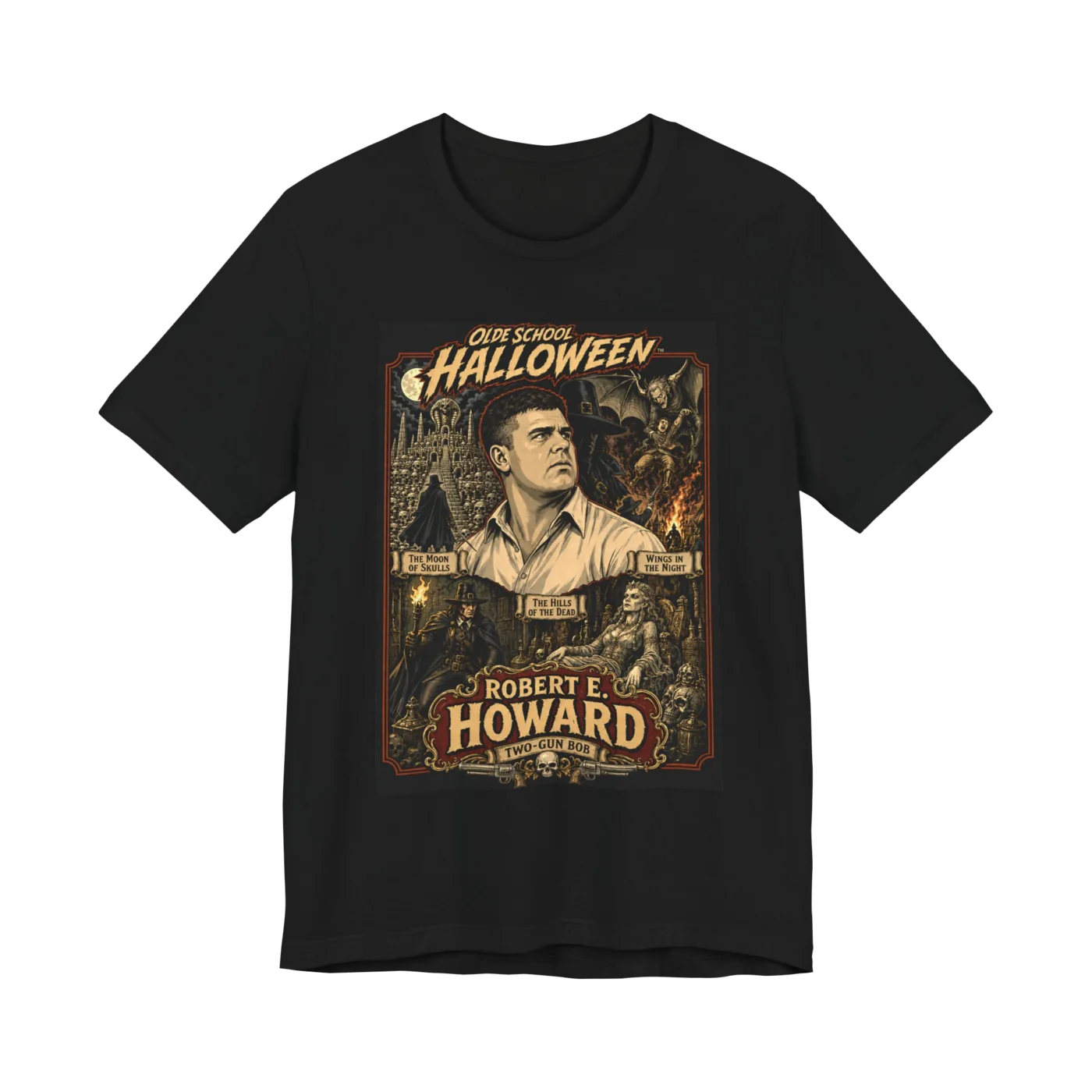
Robert E. Howard was in Cross Plains, Texas — an oil-boom town in the flatlands, population a few thousand, where he lived with his parents and typed with the windows shut.
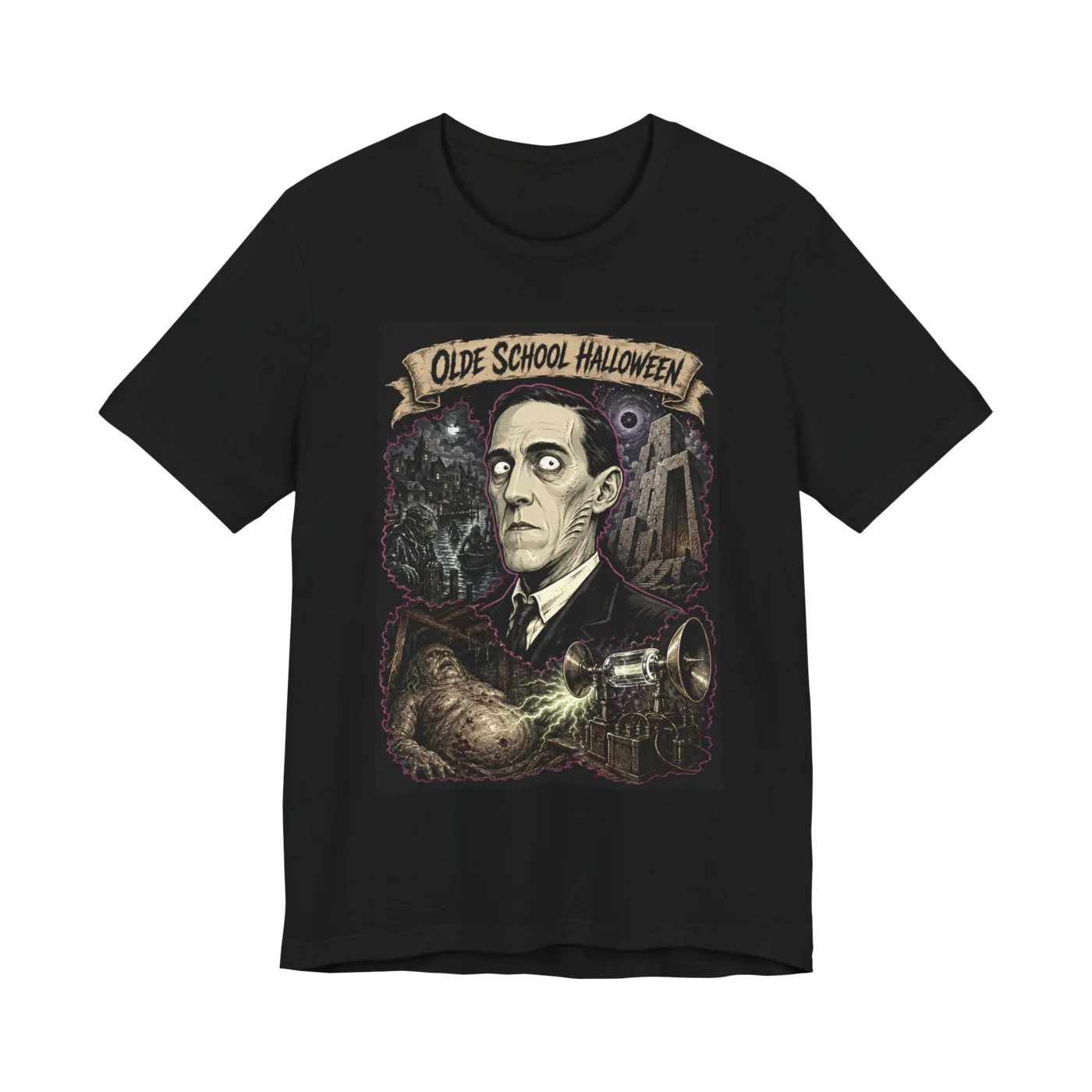
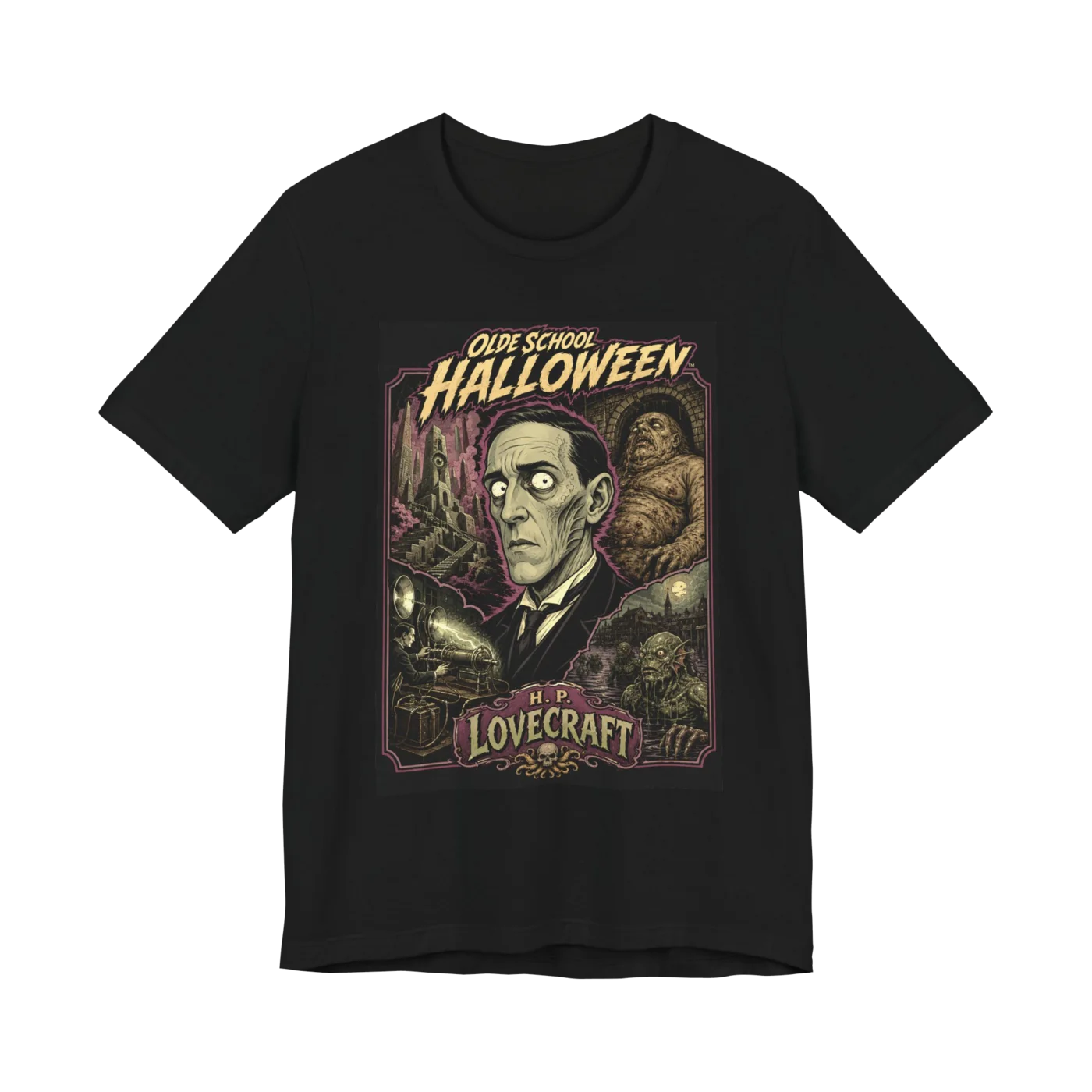
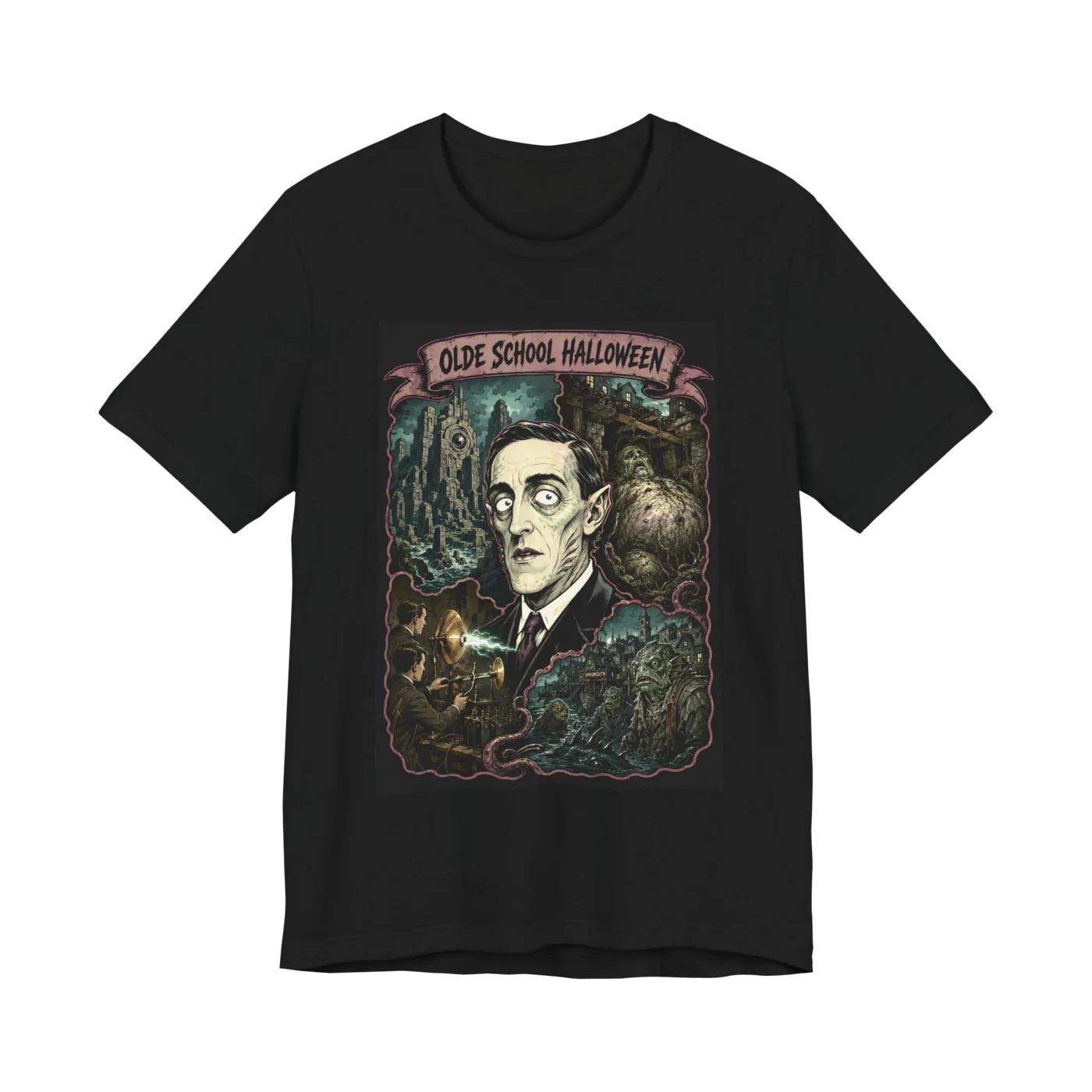
H.P. Lovecraft was in Providence, Rhode Island, in a series of rented rooms, keeping the most extraordinary correspondence habit in American letters going on an income that would embarrass a clerk.
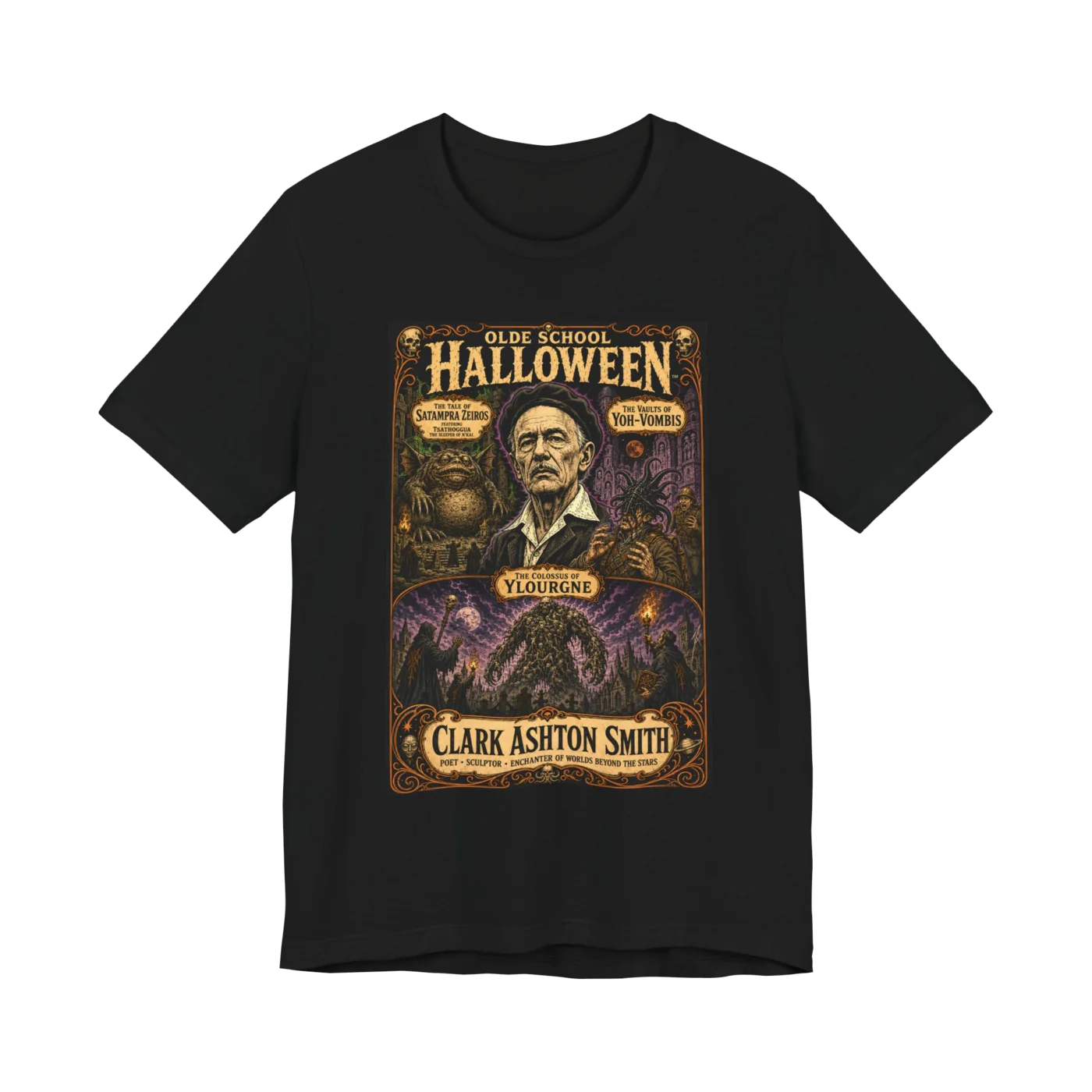
Clark Ashton Smith was in a cabin near Auburn, California, no electricity, no plumbing, caring for two dying parents and writing at a table between shifts of manual work.
What connects them is a pulp magazine with lurid covers and a chronic inability to pay on time, and a postal service that would take a letter from Texas to Rhode Island in a couple of days for two cents.
How it started, twice
Both friendships began with a fan letter, and in both cases Lovecraft wrote first or was written to about something quite small.
In 1922 someone showed Lovecraft a copy of Smith's poetry collection Ebony and Crystal. He wrote to the author. That was the beginning of fifteen years of correspondence — the longest of the three legs, and the warmest.
In June 1930 Howard read Lovecraft's "The Rats in the Walls" in Weird Tales and wrote in to the magazine. Not to gush. To correct. A phrase Lovecraft had used was Gaelic where the story's setting called for Cymric, and the usage was anachronistic besides. Farnsworth Wright, the editor, forwarded the letter to Providence.
Lovecraft read it and understood immediately that he was dealing with somebody who knew things. He wrote back. They kept writing for six years, right up to Howard's death, and the surviving correspondence runs past four hundred thousand words — nine hundred printed pages in the collected edition, and that is only what survived.
Four hundred thousand words. For scale: that is longer than Moby-Dick and Frankenstein and Dracula put together, written in longhand, in the margins of two working careers, by two men who could not afford to travel and never once shook hands.
What they actually argued about
The letters are not shop talk. That is the surprise of them.
They start friendly and general — likes and dislikes, editors who don't pay, weather, history. Then, over a few years, they settle into a genuine and increasingly heated dispute about the value of civilisation.
Howard's position, roughly: civilisation is a phase. It is not a destination and it is not an improvement. It rises, it grows soft and elaborate and pleased with itself, and it goes down, and something harder comes over the hill and takes it. That cycle is the actual shape of history, and the barbarian at the gate is not an aberration in the story — he is the next chapter of it.
Lovecraft's position, roughly: the life of the mind is the only thing that raises human existence above the animal, civilisation is the apparatus that makes that life possible, and to prefer the frontier is a failure of imagination.
In January 1933, Lovecraft wrote a line about primitive and atavistic types to whom barbarism would naturally be better suited than civilised life. Howard, in Texas, took that exactly as personally as it reads. The argument went hard after that and never entirely cooled. By the end both men were repeating themselves at length, declaring the matter closed, and then reopening it in the next letter — which is a thing that will look familiar to anybody who has been on the internet.
And here is what it produced. Conan is not a character Howard thought up and then decorated with a philosophy. Conan is what that argument looks like when it stands up and walks. A man out of the wild who watches settled kingdoms decay from the inside, who is repeatedly the most honest person in any throne room he enters, and who wins because he has not yet been made soft. Howard had written the first sword-and-sorcery story before Lovecraft ever answered a letter of his. But the thing that raised those stories above the ordinary run of pulp — the sense that they are about something and that the author means it — comes out of six years of being told he was wrong by a man he liked.
Lovecraft, for his part, once observed of Howard's fiction that the real secret of it was that Howard himself was in every story. He meant it admiringly. He was also right, and he was one of the causes.
The sandbox
The other thing they did with the post was lend each other monsters.
Smith invented Tsathoggua — the furred, squat, sleepy toad-god of Hyperborea, entirely disinclined to get up — in "The Tale of Satampra Zeiros" in 1929. Lovecraft read it in manuscript and wrote back addressing his friend as Klarkash-Ton, High-Priest of Tsathoggua, in a state of open delight. Then he put Tsathoggua into "The Whisperer in Darkness," in a list alongside Cthulhu and Yog-Sothoth and Nyarlathotep, and into At the Mountains of Madness after that, along with Smith's Hyperborean cities of Commoriom and Uzuldaroum.
The traffic ran every direction. Howard invented the Unaussprechlichen Kulten — the unspeakable cults — and Lovecraft used it. Smith cited the Necronomicon in his own stories, and slipped Lovecraft's gods in under bent names: Iog-Sotot, Kthulhut. Howard name-checked Tsathoggua in print before Smith's own story carrying the creature had even seen publication.
Nobody owned any of it. There was no arrangement, no rights, no shared bible, no agreed canon — just three men putting each other's inventions into their own stories as a courtesy, and the courtesy compounding until the borrowed material started to look like one enormous shared world with a dozen authors.
That is the origin of the whole modern idea of a shared universe, and it happened by accident, in correspondence, between people who had never met, because the alternative — writing to somebody and saying may I use your toad god — was less fun than simply doing it and waiting for the letter back.
Nineteen thirty-six
Then it ended, all at once, in a way nobody was prepared for.
In June 1936, Robert E. Howard learned that his mother had entered a coma from which she would not wake. He walked out to his car in the driveway and shot himself. He was thirty years old. He had been writing professionally for about a decade and had produced Conan, Kull, Bran Mak Morn, Solomon Kane, boxing stories, westerns, historical adventure and a great deal of verse, at a rate that reads now like a man trying to get somewhere before a door closed.
Lovecraft, in Providence, wrote a tribute to him.
Nine months later, in March 1937, Lovecraft died of intestinal cancer at forty-six, having earned almost nothing from his fiction in his life. He had published exactly one work of it as a book — The Shadow over Innsmouth, an edition of a few hundred copies, riddled with printing errors he corrected by hand in pencil in his own copy. On his desk when he died was the manuscript of a poem addressed to Clark Ashton Smith, in praise of Smith's stories and verses and pictures and sculptures. It appears to have been the last thing he wrote that was not a letter.
Smith outlived them both by twenty-four years, and effectively stopped. His parents died in 1935 and 1937, and the extraordinary run — over a hundred stories in eight years — simply ceased. He wrote a little afterward. Mostly he carved: small strange gods out of soft local rock, by hand, in a shed, for nobody who had asked for them.
Two of the three points of that triangle were gone inside nine months. The third put down his pen.
What it was worth
None of them made a living at it. Not one.
Weird Tales paid on publication rather than acceptance, which in practice meant late, and sometimes meant a cheque arriving many months after the story ran. Smith wrote to keep his parents fed and doctored. Howard was one of the more successful pulp writers in America and still lived at home. Lovecraft died poor enough that the circumstances embarrass his biographers.
And within a generation of all three being dead, the thing they built by mail was the water everybody else swims in. Sword and sorcery is Howard's invention outright — every barbarian in every fantasy paperback and film and role-playing game descends from Conan and Kane. Cosmic horror is Lovecraft's, to the point where his adjective is a genre label. Smith is the one the other two thought was the best writer of the three, and he is the one you find third, and then can't stop talking about.
They were correcting each other's Gaelic. They were arguing about whether cities are worth having. They were lending out gods.
They were three men at three kitchen tables, two thousand miles apart, with no idea, writing letters.
There was one other model of the literary friendship running in those years, and it did not use the post at all — a provost in Cambridge read his out loud, to friends, in a room.
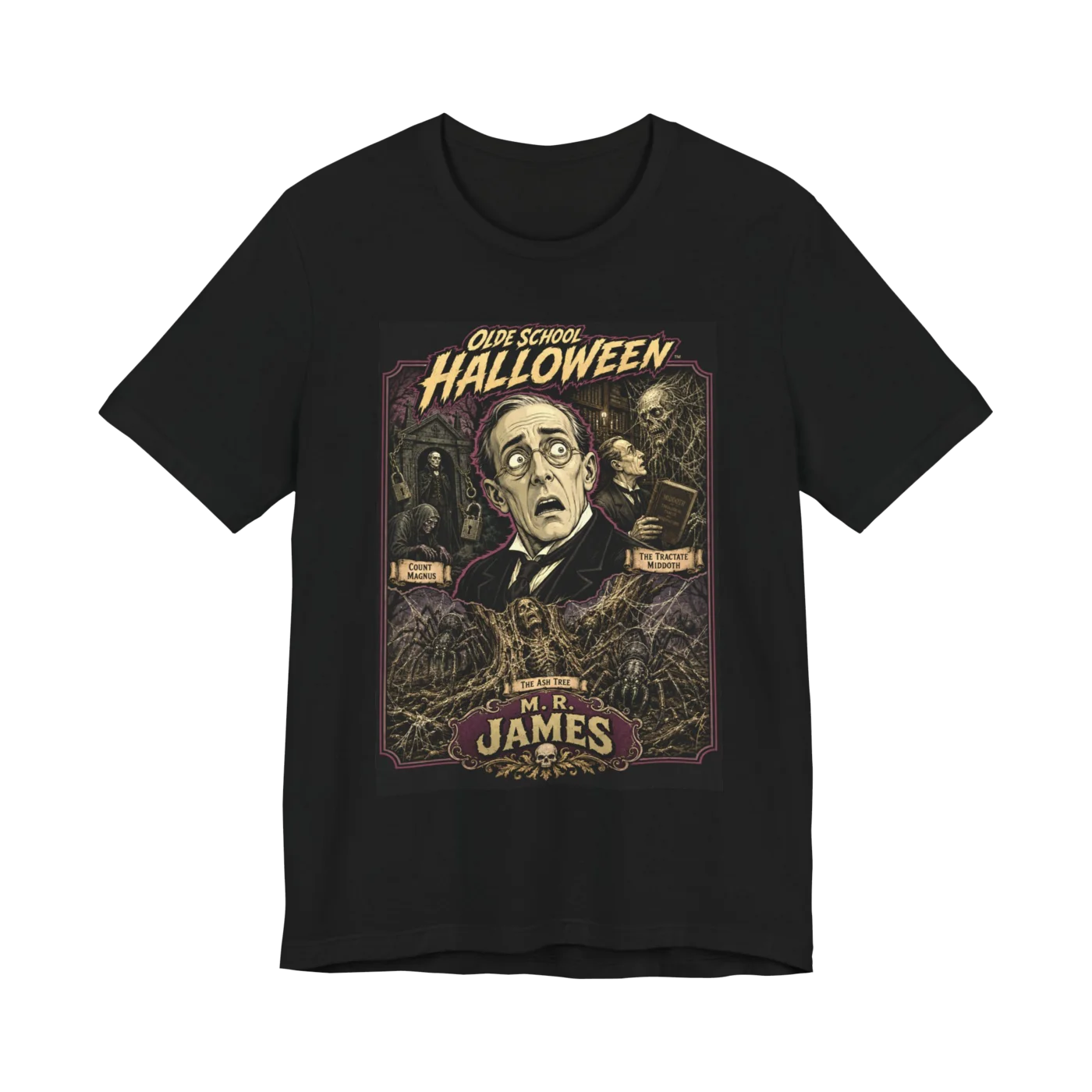
Shirts from this one
All three corners, plus the postage.
The Porchlight
New shirts. Olde stories. First word on every sale.
Twice a month, thereabouts. Unsubscribe whenever.