
The Morgue / The Horror Aisle
The Horror Aisle
You rented the painting. The painting lied. That is why you remember the box better than the movie.
The back wall
It was never by the door. Horror was at the back, or down the side, or around a corner past the drama shelves, and in some stores it was behind a swinging half-door with a hand-lettered sign about being eighteen. The geography was consistent enough across thousands of unrelated small businesses that it may as well have been zoned.
And it was the only wall in the building where every single object was screaming at you.
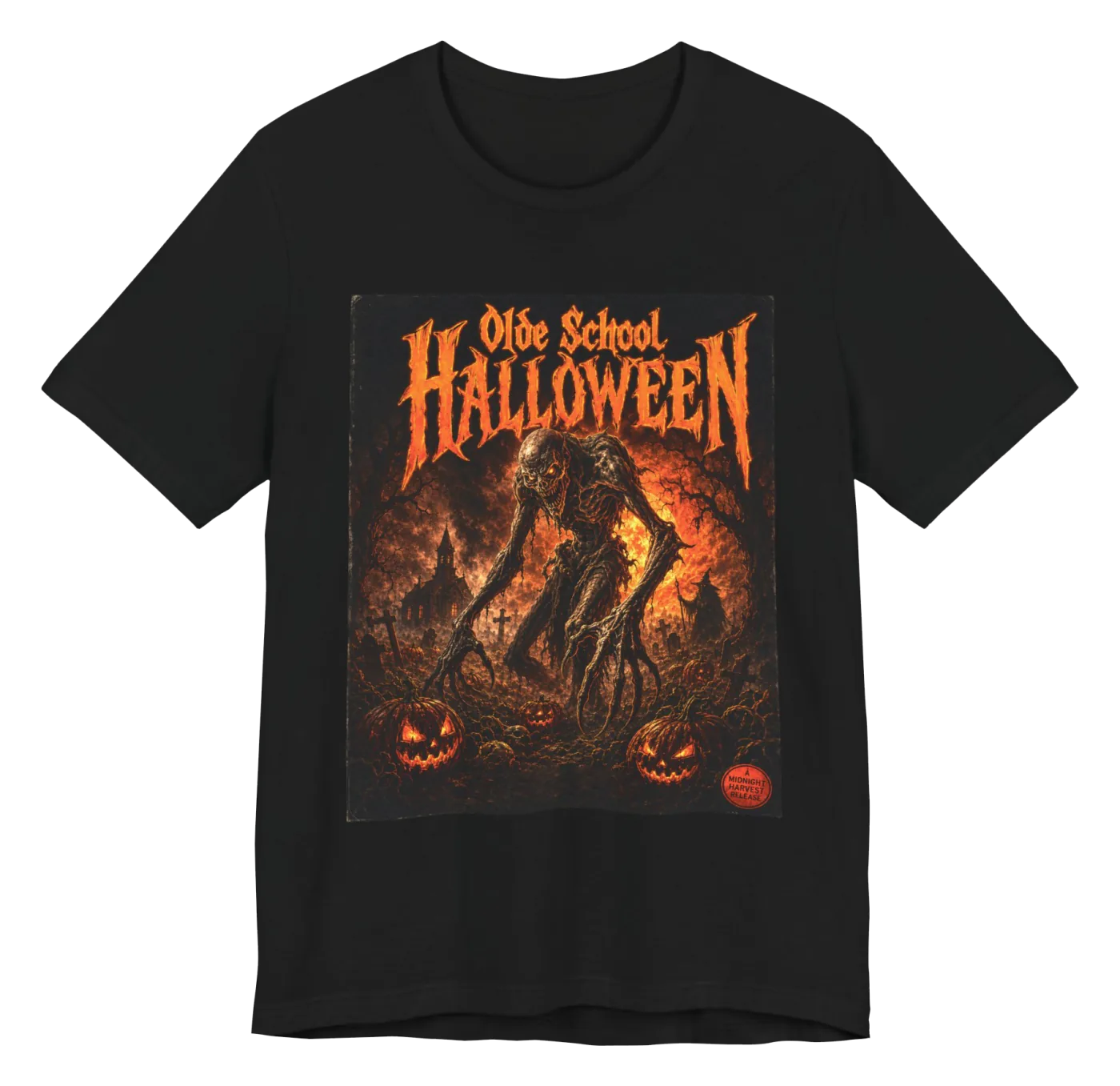
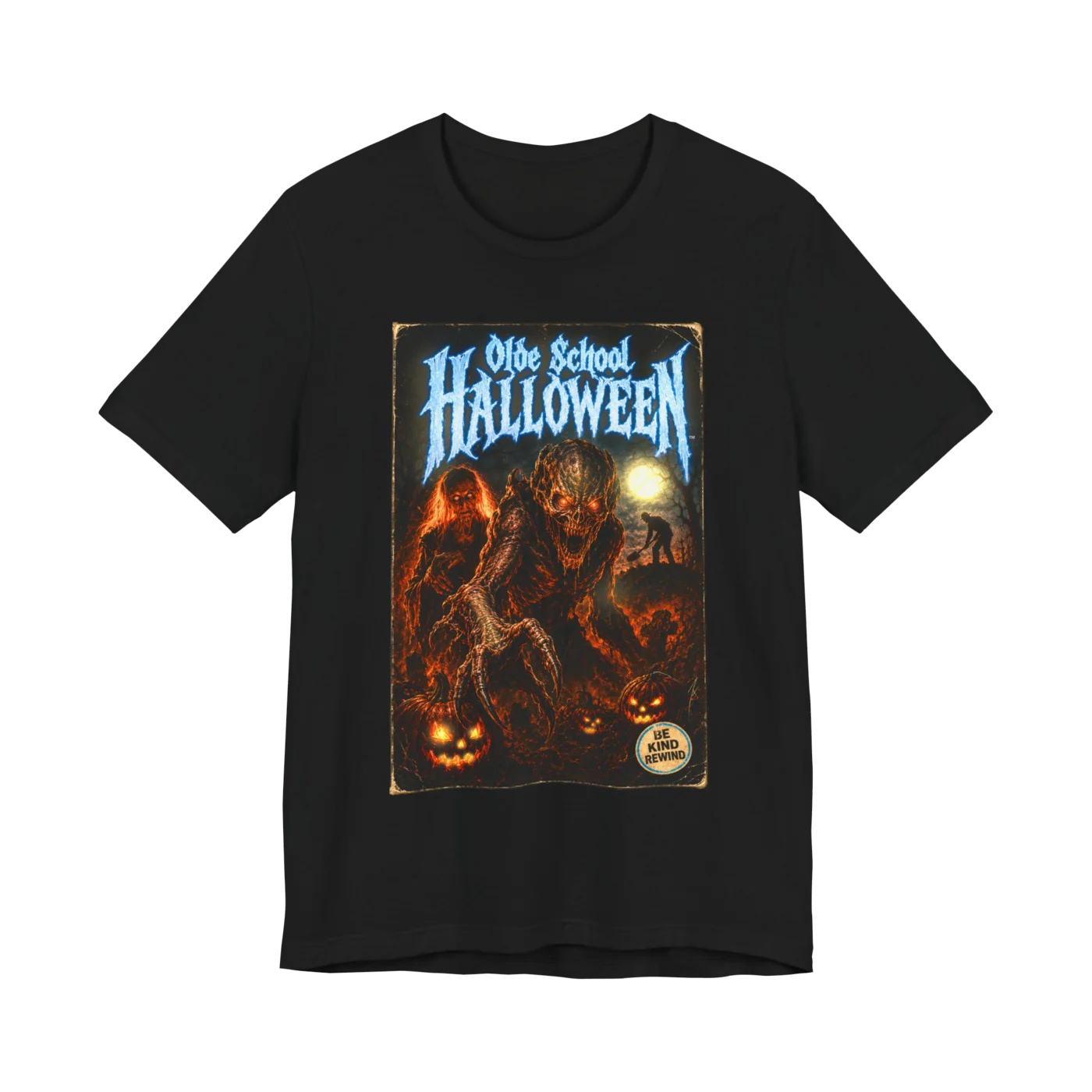
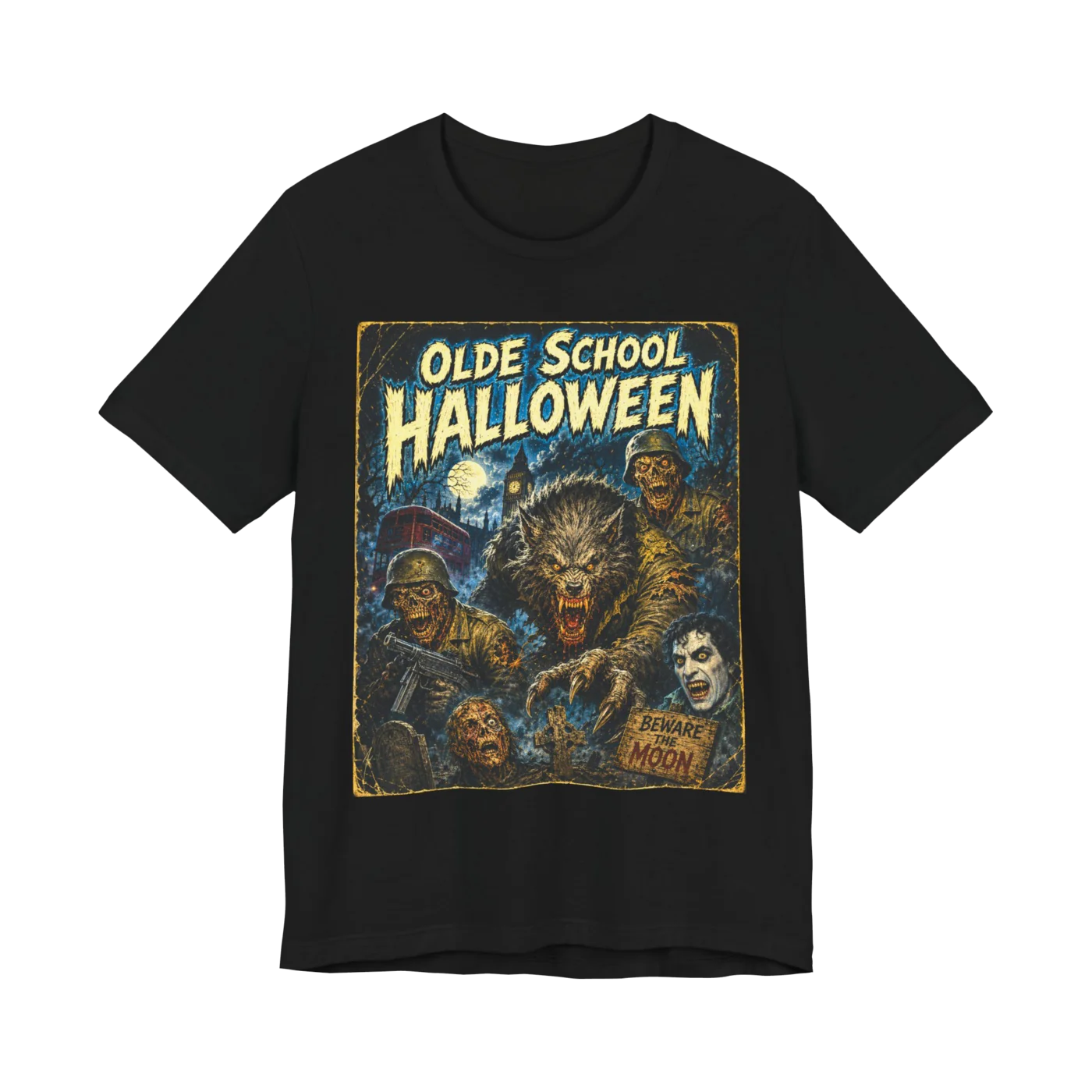
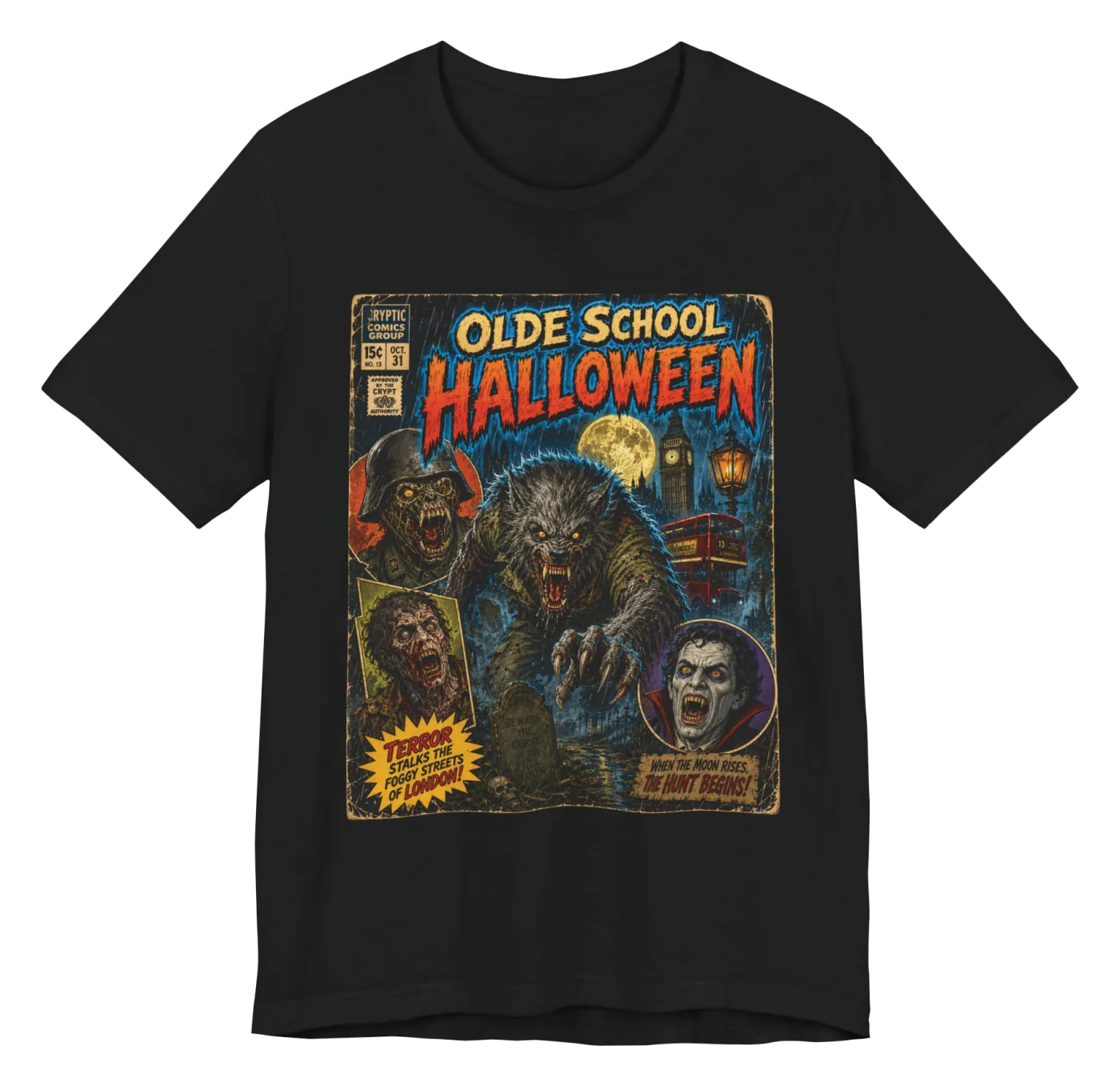
Comedy had a photograph of the star's face. Drama had a photograph of two faces. Horror had a painting — an actual painting, oils, commissioned, airbrushed, lit like a religious scene — of a thing coming out of a television, or a hand coming out of a grave, or a woman's face dissolving while she looked directly at you. Nothing else in the store was even trying.
How the aisle happened at all
Nobody planned it. The home video business began in 1977, when a man named Andre Blay talked Twentieth Century-Fox into licensing him fifty titles to sell directly to the public — the first time you could own a film. Selling them proved hard, because they cost sixty or eighty dollars. Renting them proved extremely easy.
Then the machines arrived. In 1980, about 1.9 million American households had a VCR. By the end of that decade the figure was 64.5 million. Nothing in American domestic life had moved that fast since television itself.
The stores followed the machines. Around fifteen thousand dedicated video stores in the United States by 1985. By 1988, roughly twenty-five thousand — plus another forty-five thousand supermarkets, drugstores and gas stations renting tapes off a rack by the register, some of them at forty-nine cents as a loss leader to get you through the door.
And in 1987, for the first time, the money Hollywood made from home video passed the money it made from cinema tickets. The back wall of a shop in a strip mall had become the main event, and almost nobody noticed at the time.
The big box existed because the art was the whole advertising budget
Here is the mechanical reason the horror aisle looked like that.
A studio picture arrived at the store with a marketing campaign already attached — trailers, posters, a press tour, a title people had heard. A low-budget horror film arrived with none of that. It had never been in a cinema anywhere you lived. Nobody had reviewed it. There was no way on earth for it to reach you except by being looked at for two seconds by somebody walking past.
So the distributors put everything into the box. Wizard Video started producing oversized cases — the big box — for exactly this reason: more surface area, more painting, more chance of catching an eye at ten feet. It worked so well that other labels followed, and it stopped working only when retailers ran out of shelf space and made everyone go back to standard size.
Read that again, because it is the whole economy of the aisle in one sentence. The art was not decoration on the product. For a huge share of what was on that wall, the art was the only marketing that existed. A commissioned oil painting was cheaper than an advertising campaign, and it was doing the entire job.
That is why the horror section of a 1986 video store contains more original commercial illustration per square foot than any museum in the state.
The art lied, and everybody knew, and it did not matter
Nine times out of ten the painting had nothing to do with the film.
The creature on the front did not appear. The scene depicted was not in it. The severed head belonged to no character. There was no internet, no aggregate score, no way to check. The only review-aggregation service in the building was a clerk who may or may not have watched it and may or may not have been in the mood.
So you rented the painting, and you found out at eleven o'clock that night whether the painting had been telling the truth. It usually hadn't. And you did it again the next Friday.
This ought to have destroyed the whole system and instead it was the whole system. The gamble was the product. Every trip to the back wall was a small transaction in hope against evidence, conducted weekly, by millions of people, for about fifteen years.
The object itself
The clamshell deserves its own paragraph, because you can still feel it.
Two halves of moulded plastic on a hinge, a paper sleeve slid under a clear skin on the front, and a closure that gave a specific hard snap. It was heavy in a way a DVD case has never been. It went in a bag with the receipt folded into it. When you got it home the tape came out warm from wherever it had been sitting.
And on the corner of that beautiful, expensively painted front — a sticker. The store's own sticker, adhesive, permanent, applied at an angle by a teenager with other things to do, right across the artist's best passage. The store number. The category. The rental terms. Very often three words that are now a complete cultural artefact in themselves: be kind, rewind.
Nobody involved thought they were making something anyone would care about. That is precisely why it survives. A rental sticker slapped over a monster's face is the most honest possible document of what that aisle actually was: a business, running fast, on a Friday.
The section you were not allowed in
Every kid who grew up near one of these stores has the same two memories, and they are opposite.
The first is the cover you saw too early. Not a film — a cover, seen at eye level from a shopping trolley at age six or seven, which then lived rent-free in your head for a decade. You never rented it. You may never have learned what it was — and some of those paintings were selling a curse invented in 1941 by a man who had just escaped a real one. The painting did its job so well that it worked on somebody who never gave the distributor a cent.
The second is the day you were finally allowed back there on your own. Bike, friends, sleepover, a card in your own name. That is a threshold, and everyone who crossed it remembers crossing it, which is more than can be said for most of the films.
Britain took the whole thing considerably more seriously. Home video arrived there before any classification law covered it, so for a few years the shelves carried anything — and the reaction, after a substantial press campaign, was the Video Recordings Act of 1984 and a Director of Public Prosecutions list of titles liable to prosecution. They are known to this day as the video nasties, and the list did what banning always does: it turned an inventory of cheap horror films into a permanent collector's checklist.
What killed it
The first Blockbuster opened in Dallas in October 1985. Nineteen stores by the end of 1986. Two hundred and thirty-five by mid-1987. Over a thousand by 1989.
It was bright, clean, carpeted, well-lit and organised, and every one of those adjectives was a weapon. It ran on new releases the way a cinema runs on opening weekend, stocked deep on the twelve things everybody wanted, and made a public virtue of being a store a parent could feel calm inside.
Which meant it did not carry the back wall. The strange stuff, the imports, the direct-to-video oddities with the magnificent lying paintings — that was inventory risk, and the chain's entire model was the elimination of inventory risk. The mom-and-pop shops that carried it went under one by one through the nineties, and their stock went into boxes in garages.
Then the format changed, and the case shrank to a slim plastic rectangle with a photograph on it, and the art stopped being the marketing because the marketing had moved online. Blockbuster peaked at 9,094 stores in 2004 and was gone within a decade — beaten in its turn by something that never had a wall at all.
There is one Blockbuster left, in Bend, Oregon. It is a tourist attraction.
Why the aisle outlived the films
Most of what was on that wall was not good. This is not a secret and it was not a secret then. A fair portion of it was made in eleven days for less money than a car.
But the promise on the front of the box was perfect, every single time, because a promise is the one thing a painting can deliver with total reliability. The back of the box would tell you a man had gone into the woods and something was waiting, and it would stop there — it never told you how it ended, because the moment it tells you how it ends you put it down and pick up a different one.
That is the trick, and it is why the aisle is remembered with more affection than the movies in it. For the ninety seconds you stood holding the thing, before you paid, before you drove home, before you found out — the film was still capable of being the best film you had ever seen.
Streaming will never give anybody that. A thumbnail is not a promise. It is a result.
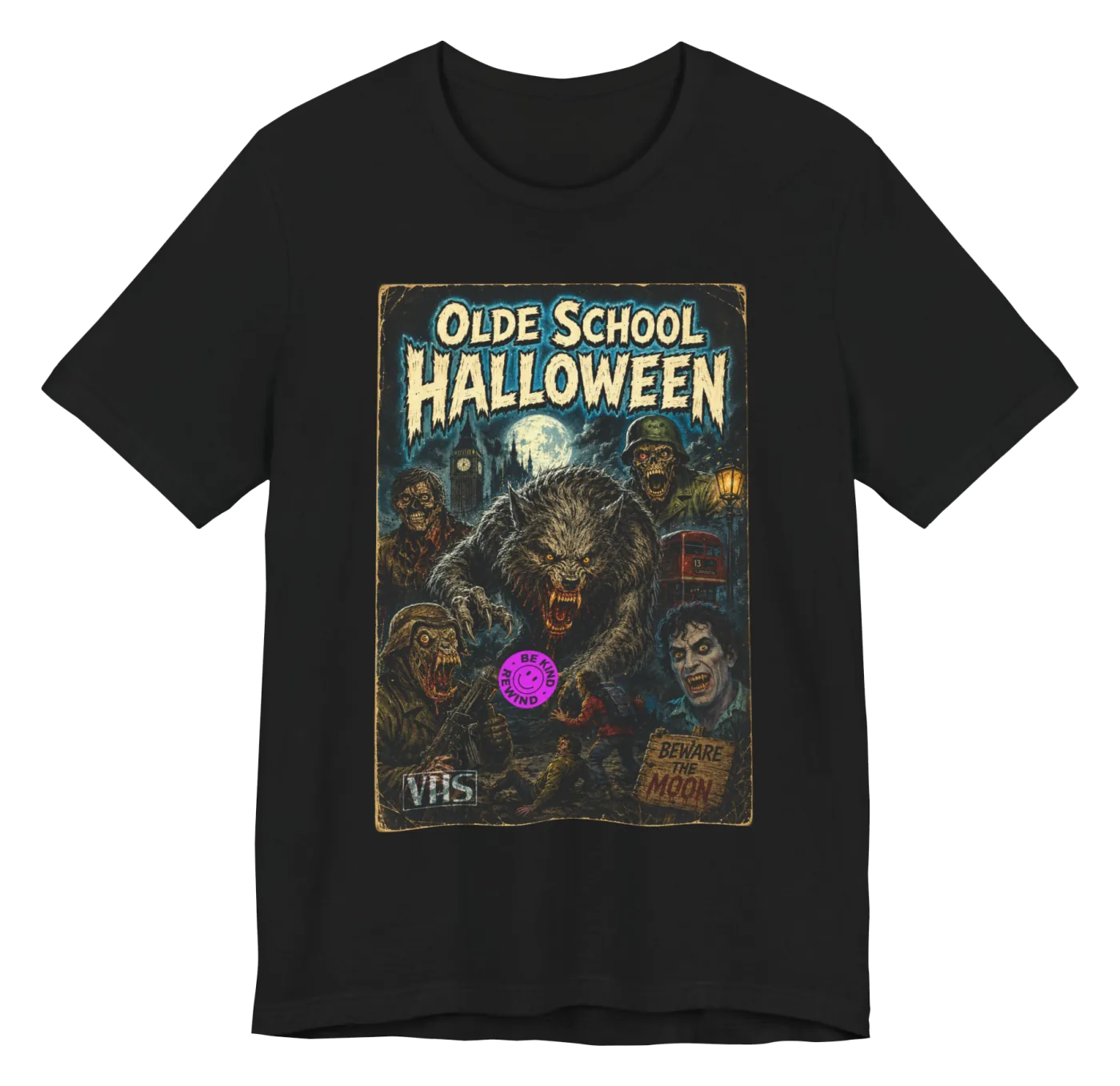
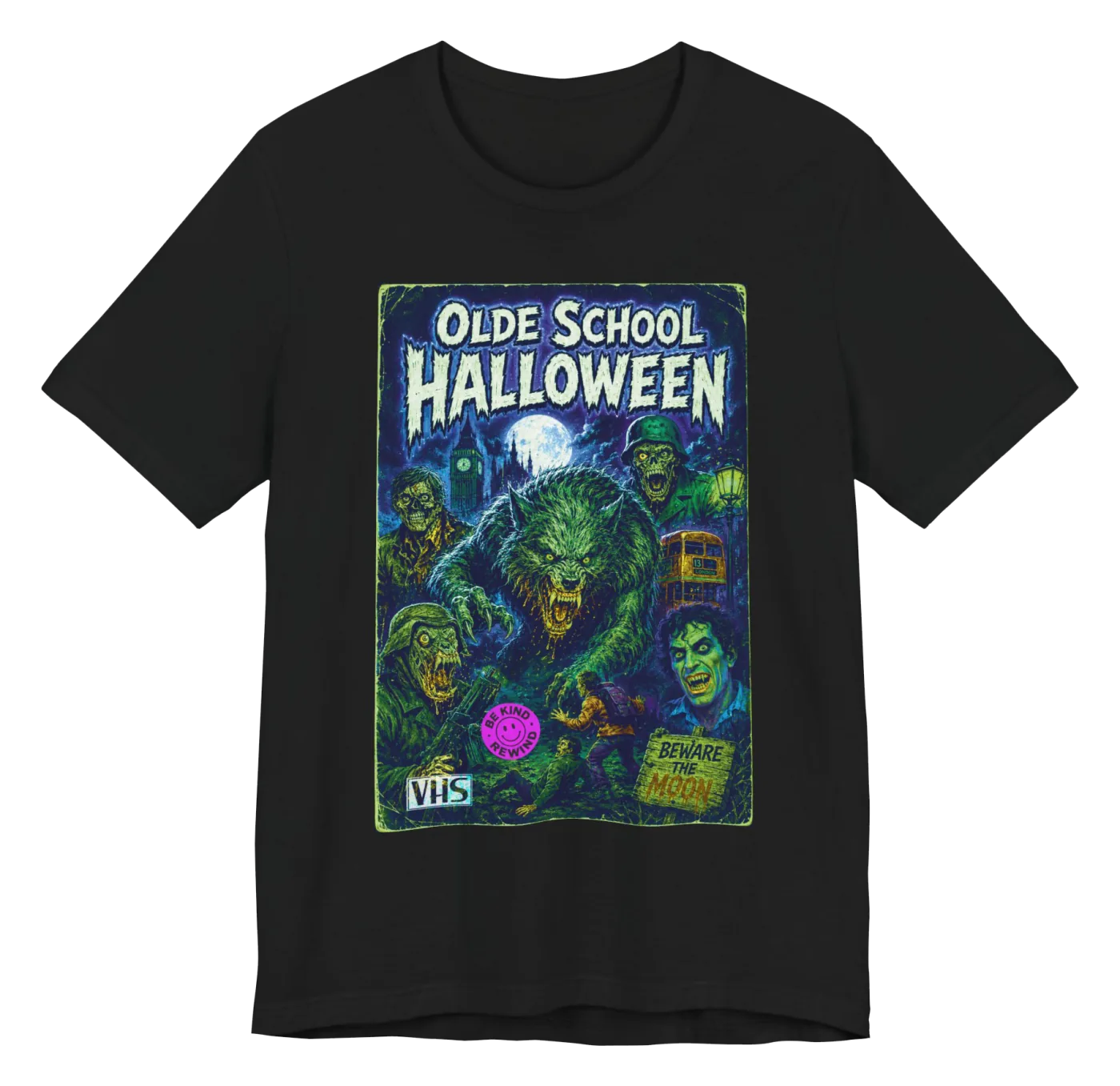
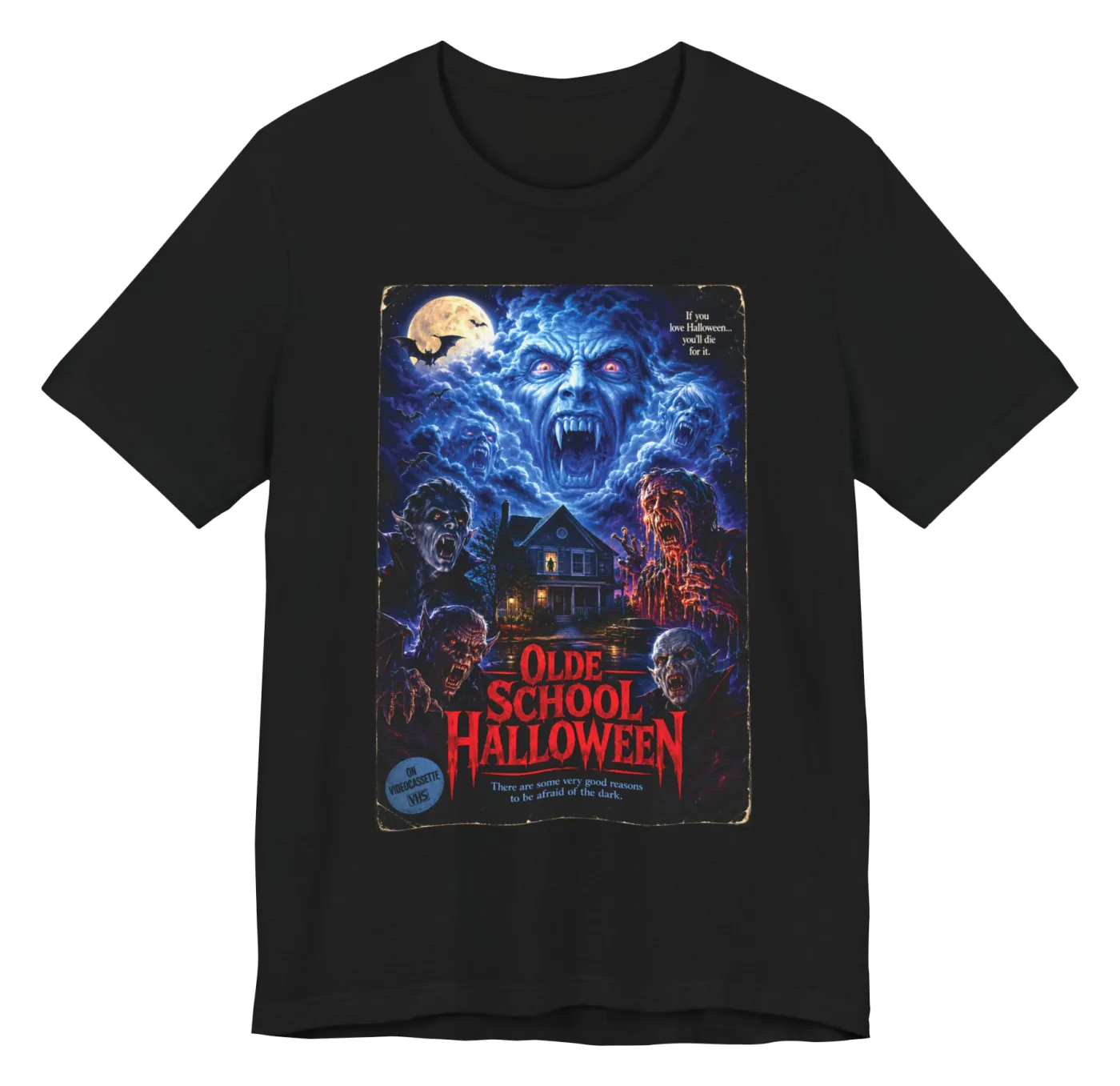
Shirts from this one
The back wall, still lying beautifully.
The Porchlight
New shirts. Olde stories. First word on every sale.
Twice a month, thereabouts. Unsubscribe whenever.