
The Morgue / Shock Theater
Shock Theater
In the summer of 1957 one company put money into a new cartoon studio and, six weeks later, bought the television rights to Dracula. Nobody has ever produced a memo connecting the two. The kids watching didn't need one.
The chair came before anyone could sit in it
On the night of Friday, 30 April 1954, KABC-TV in Los Angeles aired a preview called Dig Me Later, Vampira. The show proper started the next night at midnight, and it ran for about a year, ending on 2 April 1955. Fifty episodes, live, in one market only, and almost none of it survives.
Maila Nurmi had built the character for a masquerade ball the year before, out of a Charles Addams cartoon, and a producer named Hunt Stromberg Jr. had spent weeks trying to find her phone number. What she did on that show is what every horror host has done since: walk out of the fog, scream, sit down on a Victorian sofa, make some jokes at the movie's expense, and hand you the movie.
Here is the part that never gets said. She had no monsters.
The Universal horror pictures were not on television in 1954. Almost nothing was. So the first horror host in history introduced cheap suspense pictures and crime melodramas — whatever a Los Angeles station could actually license — and built the entire apparatus of the format around films that did not deserve it. She invented the chair three years before anybody had anything to put in it.
By the time the monsters arrived she had been cancelled for two and a half years.
June, July, August
What follows is a sequence of business transactions. It is the least atmospheric material in this article and it is the reason for everything else.
June 1957. Screen Gems — the television arm of Columbia Pictures, named after a defunct cartoon division and kept deliberately at arm's length because the studios still regarded television as the enemy — takes a ten-year lease on the television rights to 550 Universal features made before August 1948. The price is twenty million dollars. The stated intention is to break the library into packages by genre and by star.
7 July 1957. Bill Hanna and Joe Barbera, freshly out of work after MGM closed its cartoon unit, incorporate a company. The live-action director George Sidney had walked their idea over to Screen Gems and made the introduction. Harry Cohn takes eighteen per cent of the new outfit and puts up the working capital. A coin toss decides whose name goes first.
2 August 1957. The Universal horror agreement is executed.
October 1957. Screen Gems releases the first package. It is called Shock! and it contains fifty-two films.
Three transactions, one company, ten weeks. Nobody at Screen Gems appears to have said out loud that these things had anything to do with each other, and this article is not going to pretend otherwise. But by Labor Day 1957, a single television distributor owned the American rights to Dracula, Frankenstein, the Mummy, the Invisible Man and the Wolf Man — and owned a piece of the animation studio that would spend the next twenty years drawing them.
Why fifty-two
Not because fifty-two is a spooky number. Because there are fifty-two weeks in a year.
A station buying Shock! was not buying monster movies. It was buying a slot. One picture a week, every week, for twelve months, without a repeat and without another negotiation. That is the product. The horror was the flavour; the calendar was the merchandise.
You can see the salesmanship in what's inside. Bride of Frankenstein — by most reckonings the best film Universal ever made in the genre — is not in the package. Several spy pictures and drawing-room mysteries are. The list was not assembled by anyone who loved these movies. It was assembled by someone counting to fifty-two.
It worked to a degree nobody was prepared for. Measurements in five key markets — New York, Los Angeles, San Francisco, Philadelphia and San Antonio — put the ratings lift somewhere between thirty-eight per cent and one thousand one hundred and twenty-five per cent. The following year Screen Gems went back with Son of Shock, twenty more titles.
The man who already had the costume
The films ran anywhere from about an hour to nearly two, and the slot did not. Stations needed someone to stand in the gap and fill the difference. Screen Gems encouraged it. Almost every market produced a host.
The most famous of them was John Zacherle in Philadelphia, and the detail worth having is that he did not build his character for horror. He had been at WCAU since 1954 playing bit parts, including an undertaker on a Western called Action in the Afternoon. When Shock! arrived in 1957 he already owned the frock coat. He moved the undertaker into a crypt, gave him a wife in a coffin he addressed as My Dear, and became Roland.
That is the whole shape of the thing in one man. The format was sitting there, invented by Nurmi and going spare. The costume was sitting there in a Western. The monsters came in the mail from Screen Gems, fifty-two of them, one a week. Everything snapped together in a single season because every piece of it had been lying around separately for years.
What it built
Famous Monsters of Filmland launched in February 1958, four months after Shock!, and was aimed squarely at children. Aurora's Frankenstein model kit arrived in 1962 and sold well enough to generate twelve more. "Monster Mash" was the number one record in America in October of the same year. The Munsters and The Addams Family both premiered in the autumn of 1964, three weeks apart, on rival networks.
None of that is a coincidence and all of it is downstream of one distribution deal.
What it produced, in the end, was fluency. A large population of American children who had never sat in a cinema with these films — the pictures were twenty and thirty years old, from before their parents' war — but who could identify the flat head, the cape, the bandages, the fin and the moon from across a room. They learned it in black and white, late at night, off an aerial, from a man in a cape making puns.
Which is exactly what a cartoon needs
Limited animation cannot build a monster. It has neither the frames nor the budget to earn one — no slow reveal, no lighting, no time. It can only quote a monster the audience already carries. A silhouette, two seconds, and the child on the rug supplies the rest.
That is not a criticism. It is a technical requirement, and it can only be met if the fluency already exists.
By 1966 Hanna-Barbera were making Frankenstein, Jr. and The Impossibles, and Screen Gems was distributing it. That same year the studio was sold to Taft Broadcasting and the Screen Gems stake ended. Three years after that came the show that would define Saturday morning horror for the rest of the century, and by then the corporate connection was gone entirely.
Which is the honest end of the argument, and it is worth stating plainly rather than letting the coincidence do work it hasn't earned. There is no evidence anybody planned this. No memo survives. No executive is on record saying the kids know the monsters now, so we can draw them cheap. What actually happened is more ordinary and more interesting: one company bought a monster library and a cartoon studio in the same summer for unrelated reasons, the monster library taught a generation a visual language, and the cartoon studio spent the next twenty years speaking it.
The kids in the audience
They knew none of it. That is the whole point.
No child watching a rubber-suited nightmare stagger across a repeating background in 1969 had heard of Screen Gems, or knew that the reason the joke landed was a twenty-million-dollar lease signed before they were born. They just knew the monster. They knew it the way you know a nursery rhyme — with no memory of learning it, and no sense that it had ever had to come from anywhere.
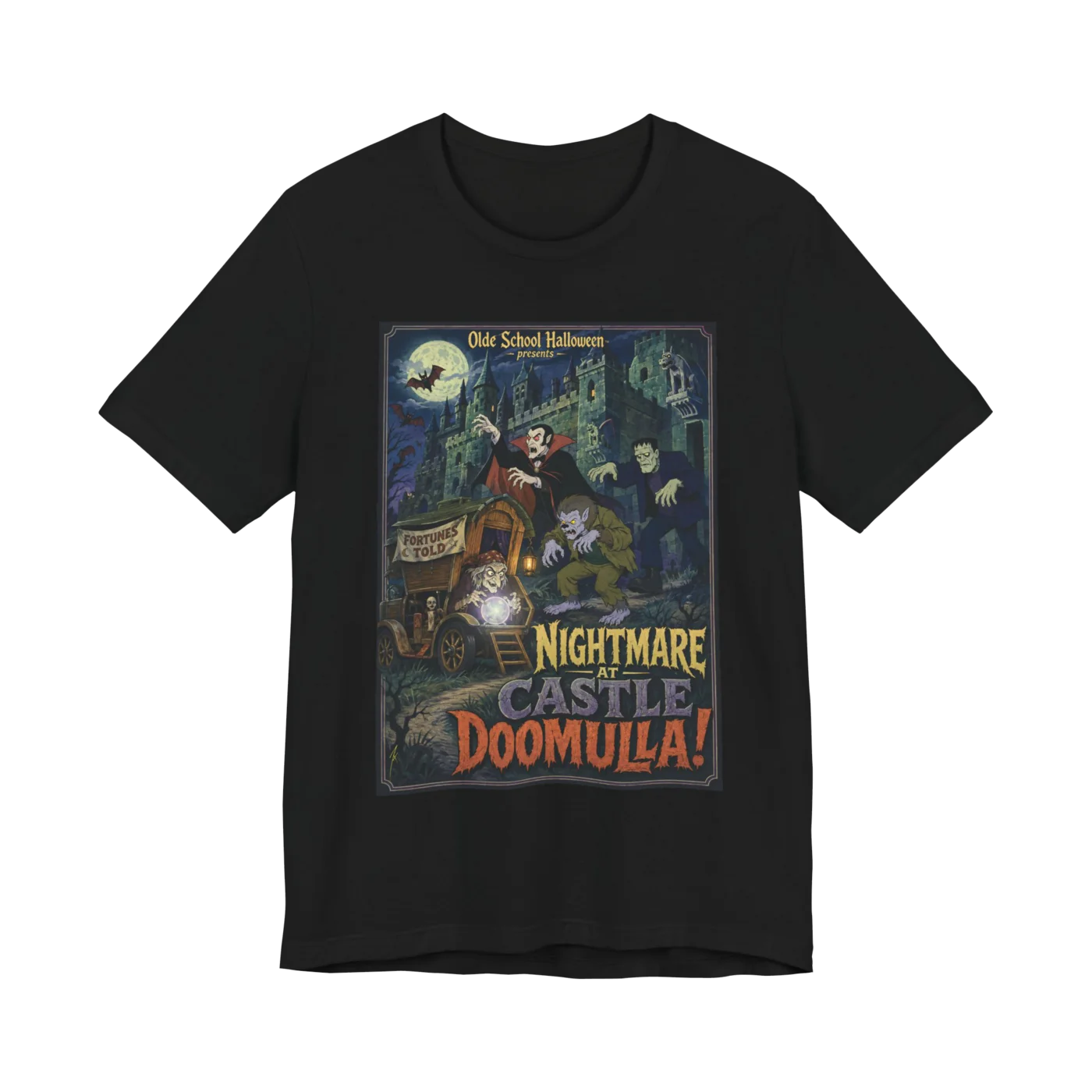
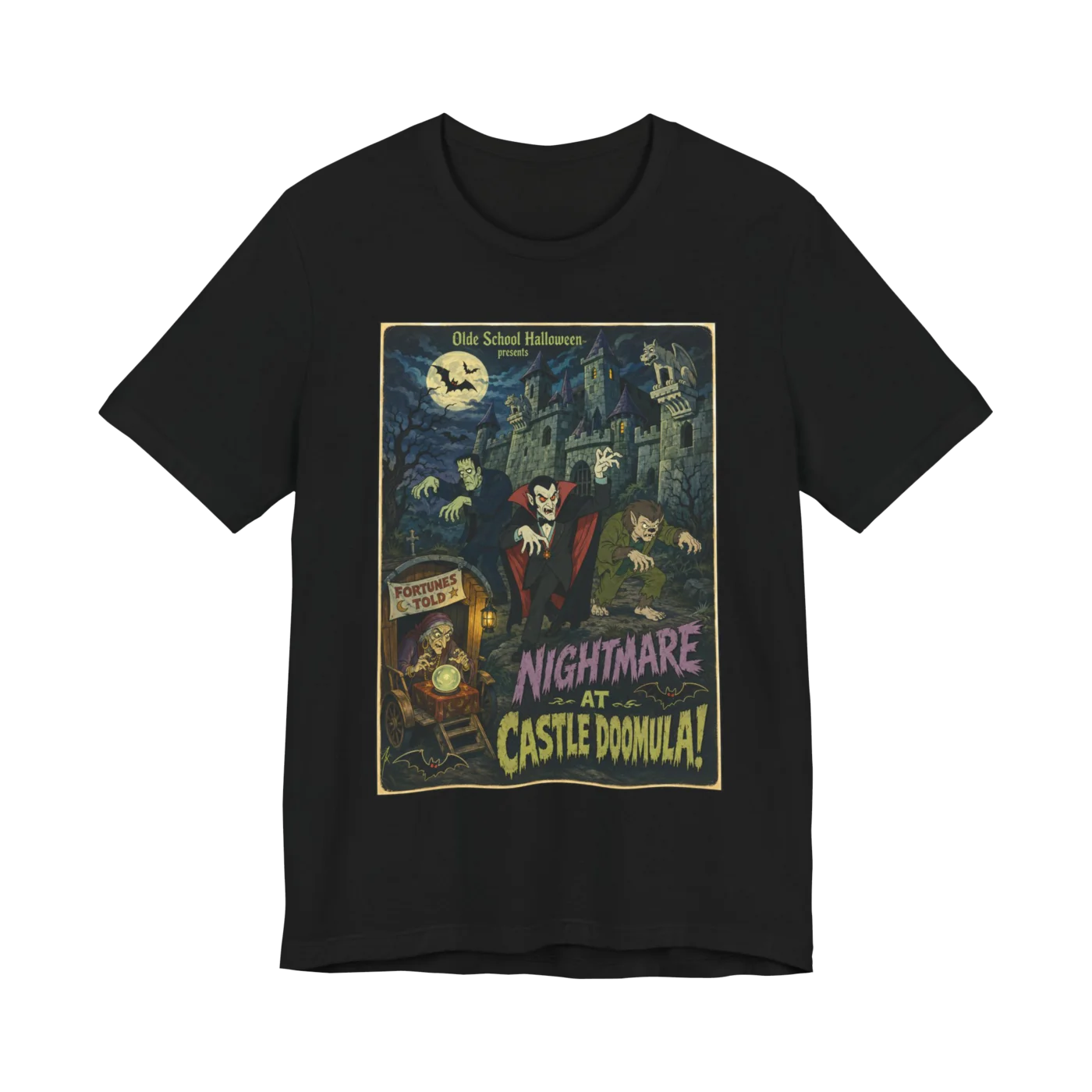
That fluency was manufactured, on a schedule, by people counting weeks. And it worked so completely that sixty years later you can put a flat head and two neck bolts on a shirt and not one person needs it explained.
Somebody bought that for twenty million dollars and it is still working.
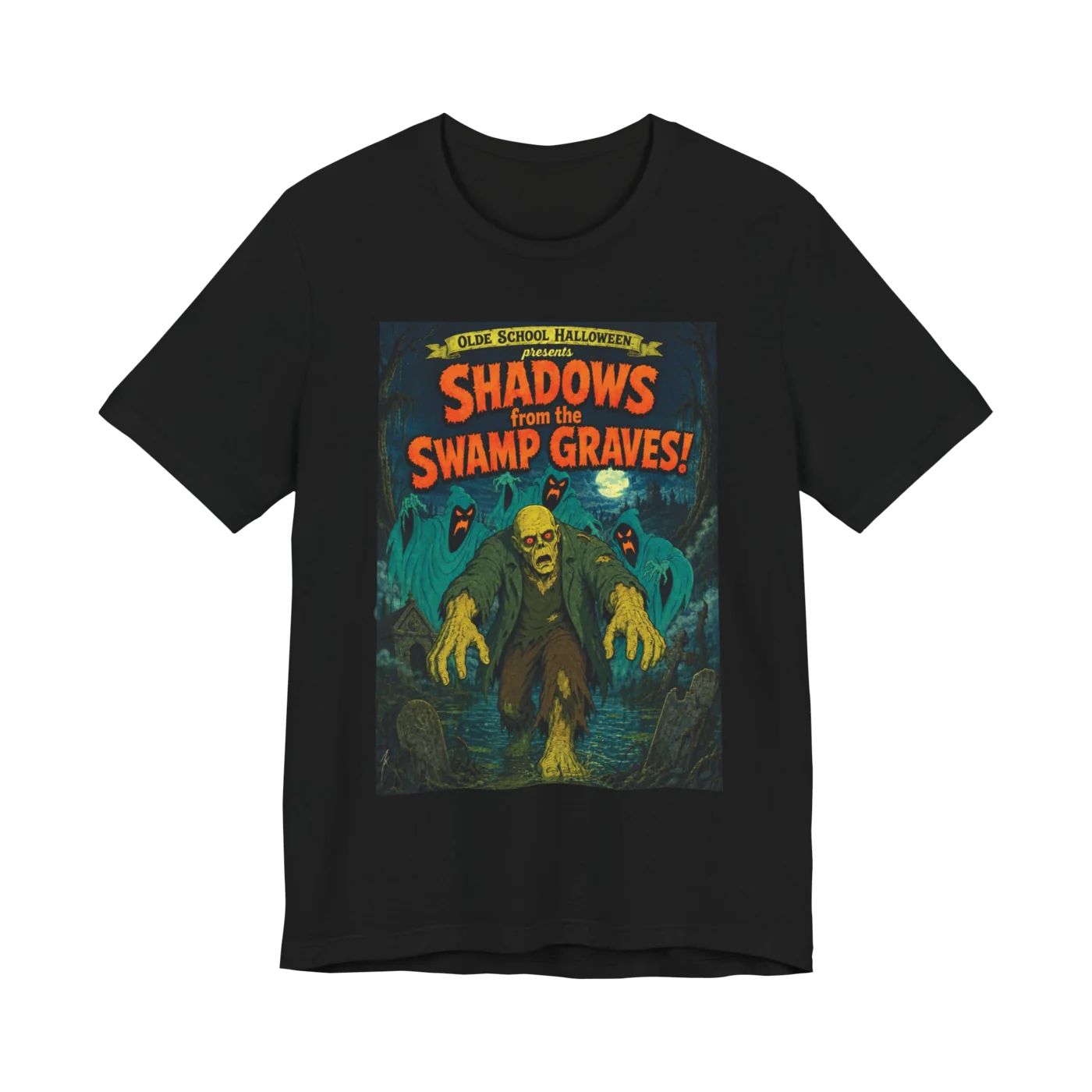
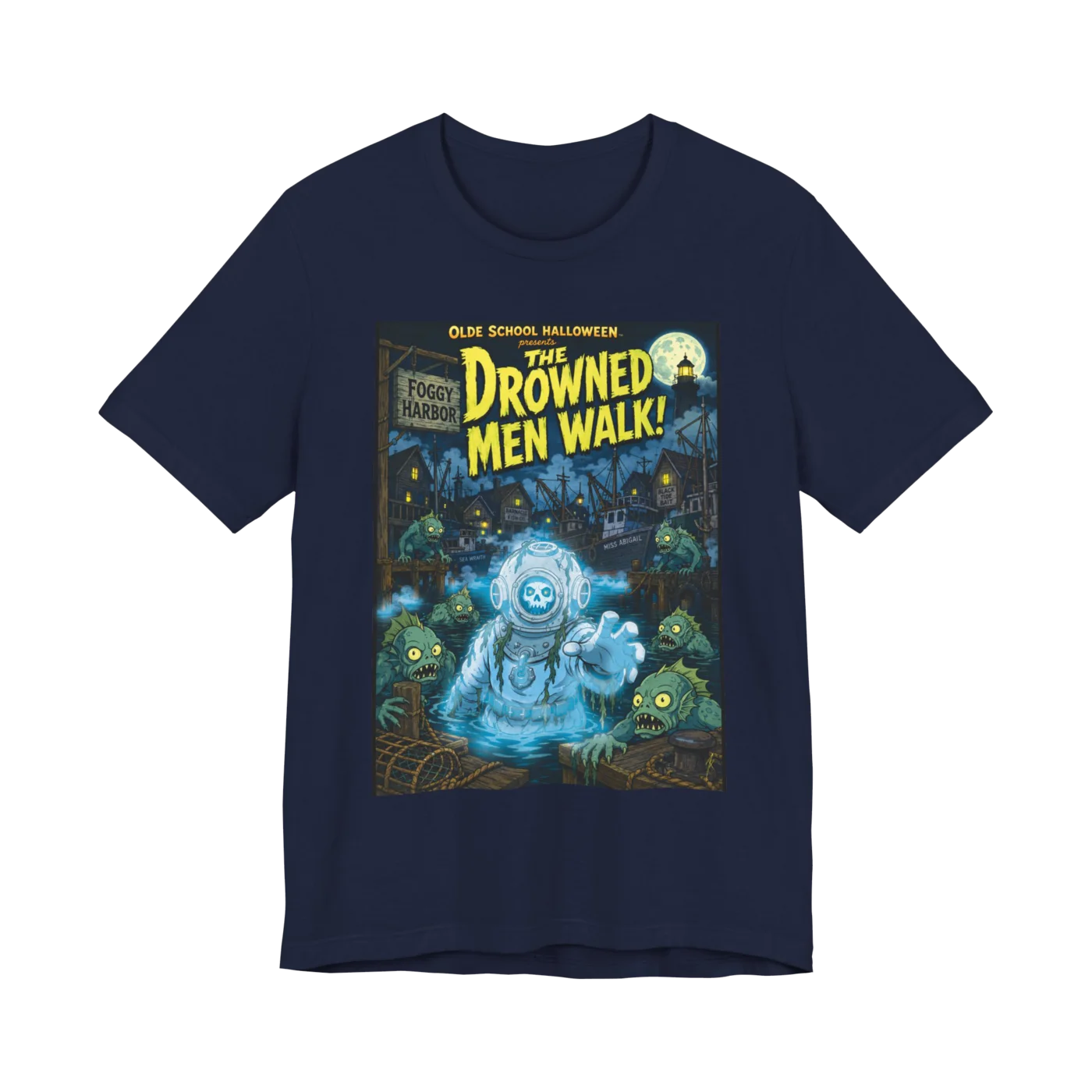
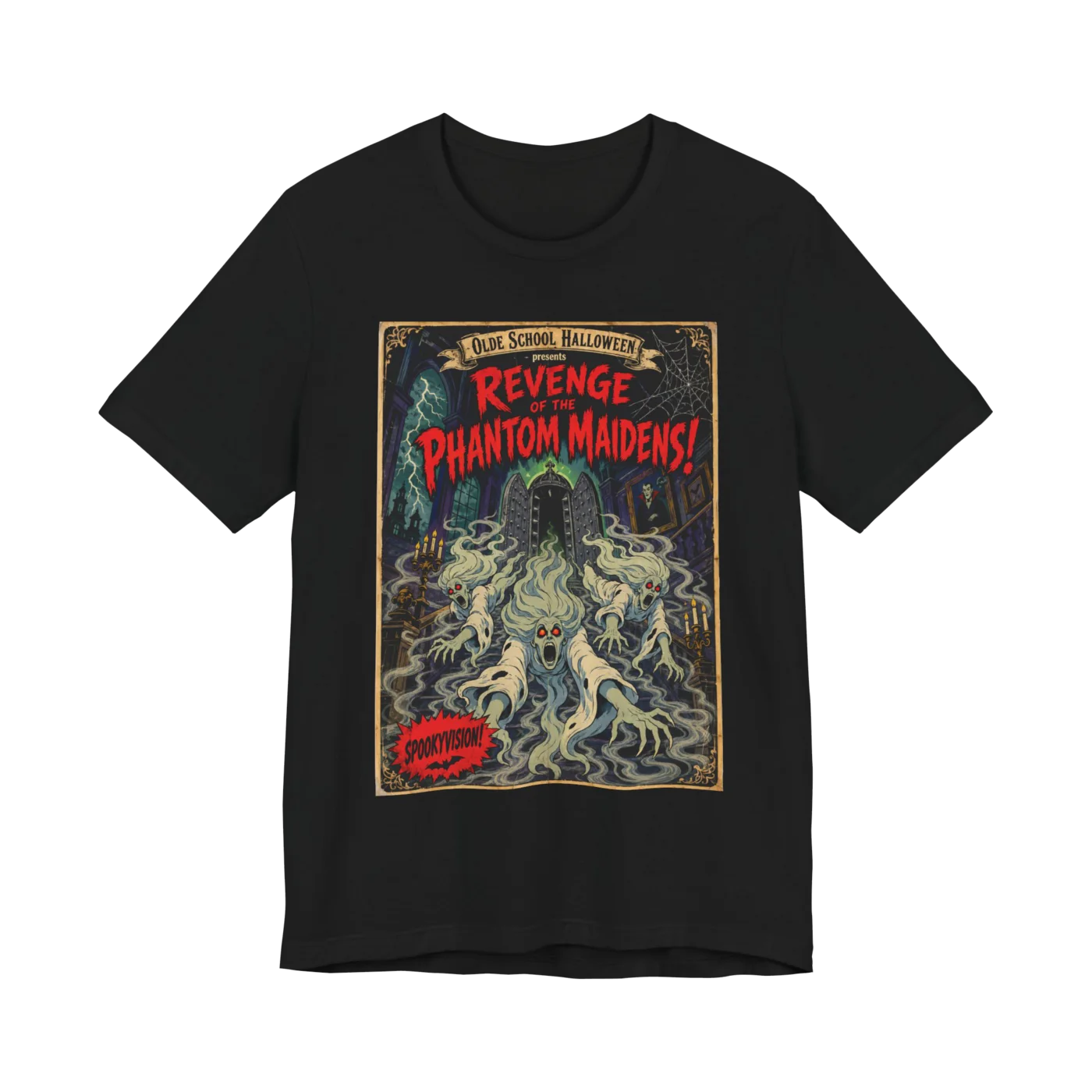
Shirts from this one
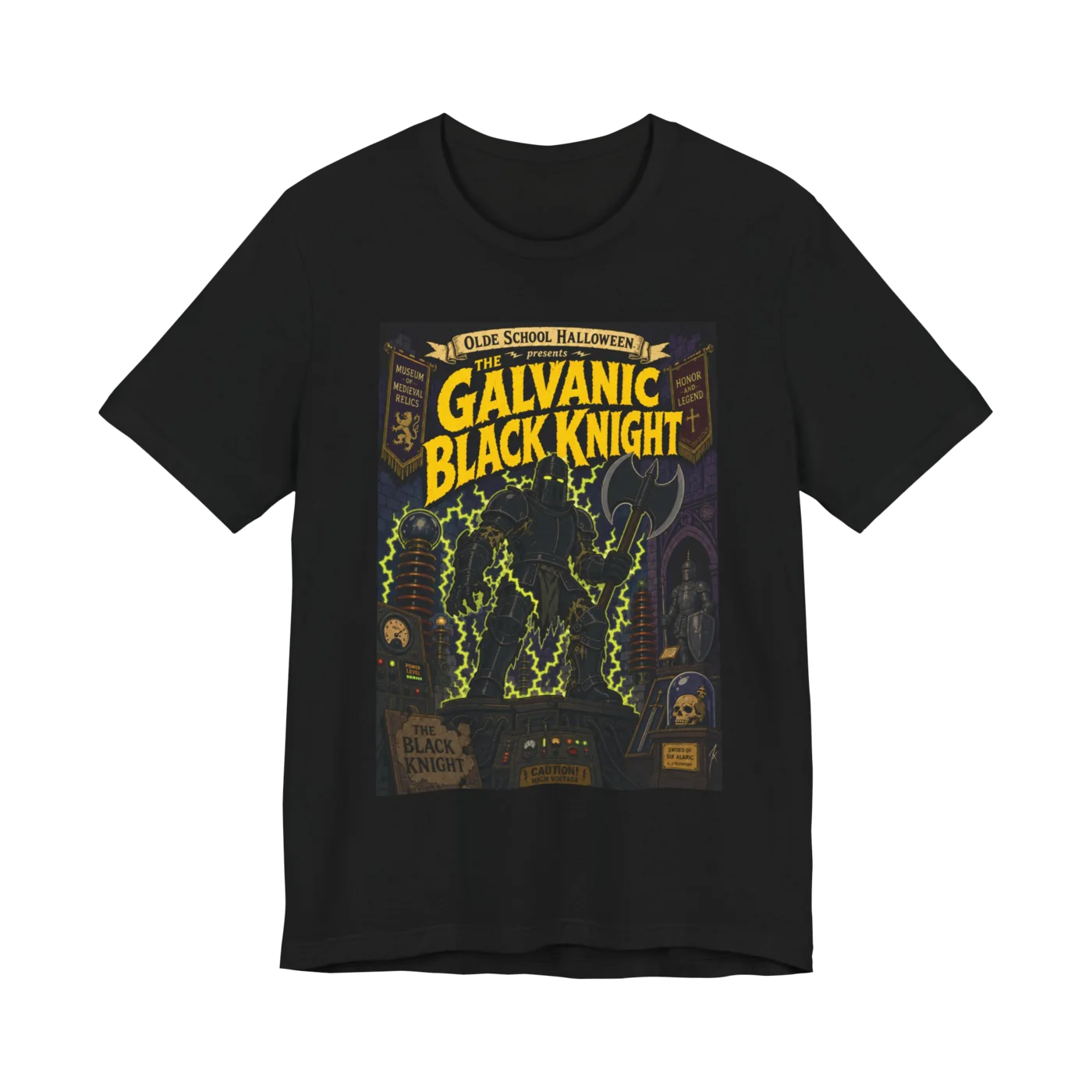
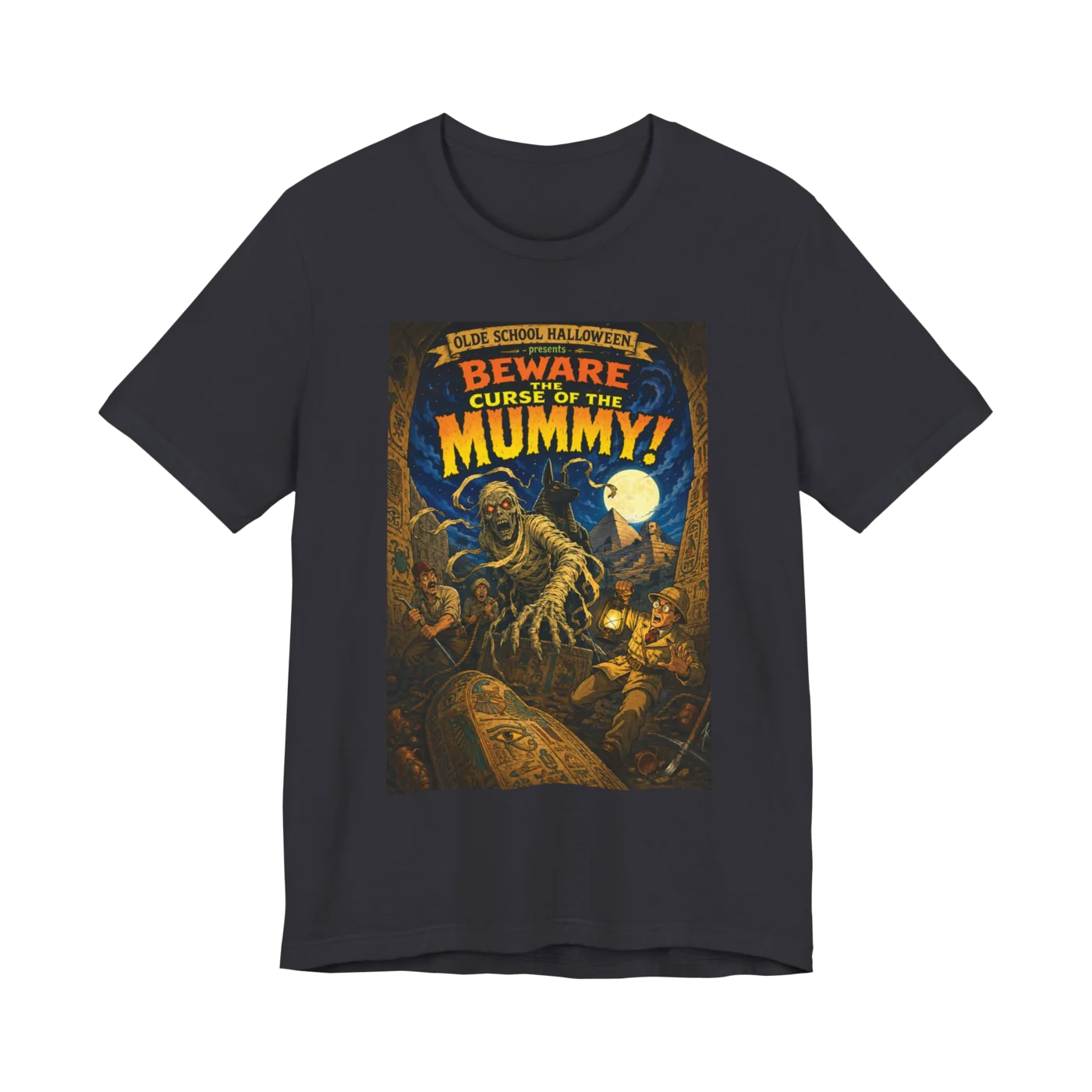
Seven shirts, straight out of the 1957 package.
The Porchlight
New shirts. Olde stories. First word on every sale.
Twice a month, thereabouts. Unsubscribe whenever.